
Engine problems can develop without warning, and then the driver faces a difficult repair choice that may cost thousands of dollars. When cylinder head problems happen, understanding your options will be crucial to making the right financial and practical decision for your vehicle.
What Is the Cylinder Head?
The cylinder head is a major part of the engine block, mounted on top. This is one of the most important parts of the combustion process. Intake and exhaust valves, spark plugs, and sometimes a camshaft are contained within this part. It seals the combustion chamber where fuel and air mix and then ignite to create power that will drive your car. Also housed within the cylinder head are coolant and oil circulation channels making it an integral part of engine temperature regulation as well as lubrication.
Cylinder head damage goes far beyond simple repair issues. A broken head might let coolant leak into the combustion chambers; allow oil to mix with coolant; or cause compression not to work at all. Such failures typically take place due to overheating, age-related wear, or even a manufacturing defect. Early symptom recognition can save huge amounts of money and additional damage to the engine.
When to Repair the Cylinder Head Only
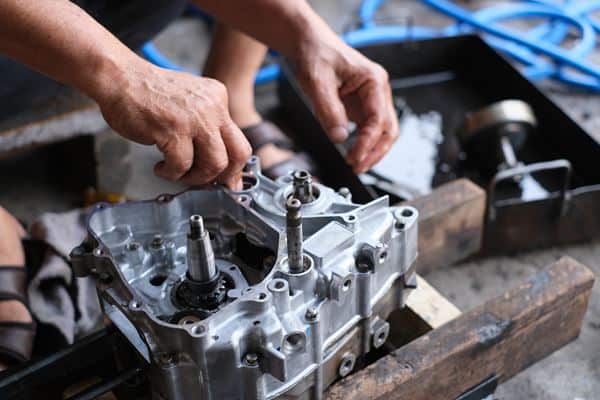
Some minor cylinder head issues need to be fixed instead of replacing them. Issues like small cracks in the non-critical areas, a distorted surface that can be machined back to a flat condition, or valve seat damage can usually be addressed through professional restoration. This will work best when the main structure of the cylinder head is intact and only certain areas have been damaged. Fixing a cylinder head involves taking it off first, and then taking it apart. After that, the parts are cleaned.
When to Replace the Cylinder Head
Cylinder head replacement becomes necessary when damage is too extensive for repair. Serious cracks, especially between combustion chambers or water channels, multiple valve problems, or significant corrosion often make replacement a more economical option than attempting repair.
New or rebuilt cylinder heads provide reliability and often come with a warranty, giving peace of mind. While the initial cost is higher than repair, head replacement can prevent recurring failures and ensure better long-term performance.
Full Engine Replacement
Sometimes cylinder head problems indicate more serious engine issues. If the engine block is cracked, pistons are damaged, or the crankshaft is worn, simply replacing the head won’t solve the underlying problems. In such cases, engine rebuilding or complete replacement must be considered. New or rebuilt engines provide maximum reliability and performance.
Comparing Costs, Warranties, and Downtime
Price varies significantly depending on the chosen alternative. Repairing the cylinder head usually costs the least, but may not solve every problem. Replacement of the cylinder head provides a combination of value and reliability. Engine rebuilding or replacement requires the highest initial investment but provides the longest service. Engine condition is assessed by a professional mechanic who will determine necessary repairs and estimated time for completion and associated costs.
Preventing Cylinder Head and Engine Block Catastrophes
Routine maintenance avoids most serious engine problems. Replacement of coolant, maintaining proper oil levels, and fixing leaks quickly protect vital engine parts. Queens ATS recommends regular inspections to identify potential problems before they become costly failures.
Understanding these choices helps make informed decisions when engine problems inevitably arise. Seeking advice from qualified mechanics offers the opportunity to choose what best suits your unique circumstances and finances.