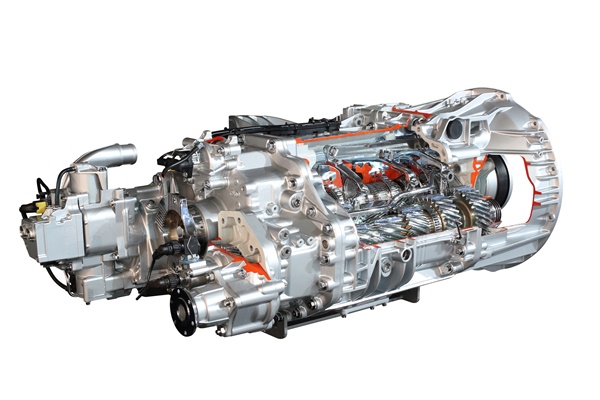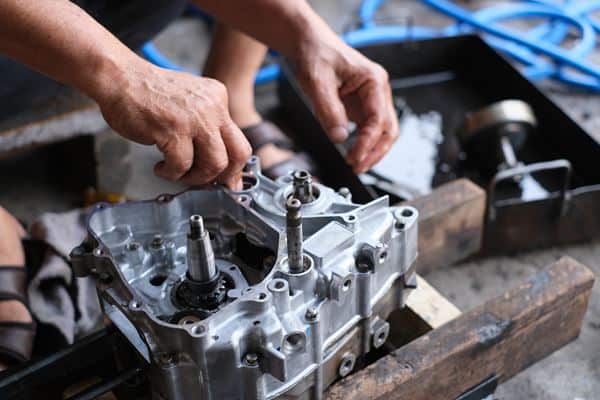

CVT is a fairly complex device that consists of many parts and provides torque transmission from the engine to the car’s wheels. It is similar to an automatic transmission in that it relieves the driver from the need to select speeds and provides optimal driving mode selection using an electronic control unit. But while an automatic transmission adapts to the car’s driving mode and engages the appropriate gear according to road conditions, a CVT changes the gear ratio according to its technical characteristics.
The main reason for premature CVT failure is non-compliance with the simplest rules of operation and maintenance. Much less frequently, CVT repair is required due to design flaws, defective parts, or poor-quality assembly of components. The operational life of CVTs established by manufacturers is 90,000-125,000 miles, after which they require complete replacement or major overhaul.
Signs of CVT Malfunction
The presence of CVT problems can be determined by the following signs:
- Appearance of grinding or humming sounds when the car is moving. These sounds are produced by bearings that serve as support for the CVT cones.
- Unstable transmission operation, especially during acceleration. This may indicate cessation of normal pressure relief valve closing, which requires replacement of the working fluid in the hydraulic system.
- Power loss in any driving modes. To eliminate this problem, it is necessary to replace worn CVT cones, valve, and bearings.
- Frequent transmission shifts to emergency mode. These are caused by electronic malfunctions and are eliminated by replacing the control unit.
- Vehicle immobility. This is caused by CVT belt breakage, which will need to be replaced along with damaged cones.
The criteria listed above allow conclusions to be drawn about the presence of serious CVT problems. However, for a complete and accurate assessment of its technical condition, comprehensive diagnostics with the involvement of experienced specialists is necessary.
What are the Breakdown Symptoms?
- Difficult car starting, sometimes accompanied by extraneous sounds.
- Whining from the transmission on a running engine that changes tone with engine RPM changes.
- Humming while driving.
- The car is simply immobilized.
- The car is immobilized “forward” – only reverse gear remains.
- When changing oil, a lot of metallic “dust” is found in the pan.
- The car moves not smoothly, but in jerks.
Don’t ignore these warning signs. Call us. At Queens ATS, our certified technicians have the expertise and specialized equipment necessary to diagnose and repair any CVT transmission issue possible.