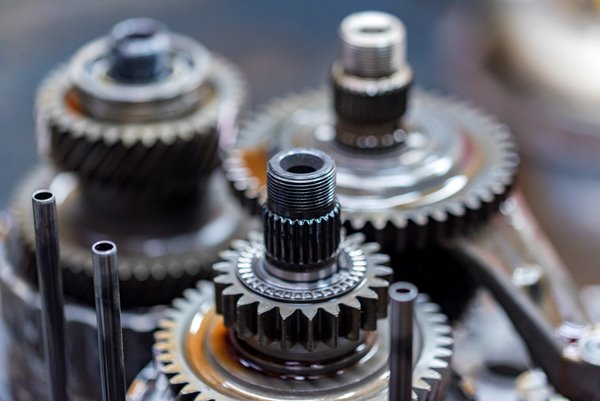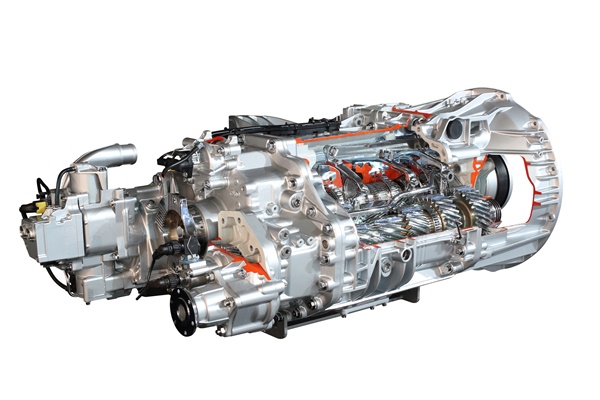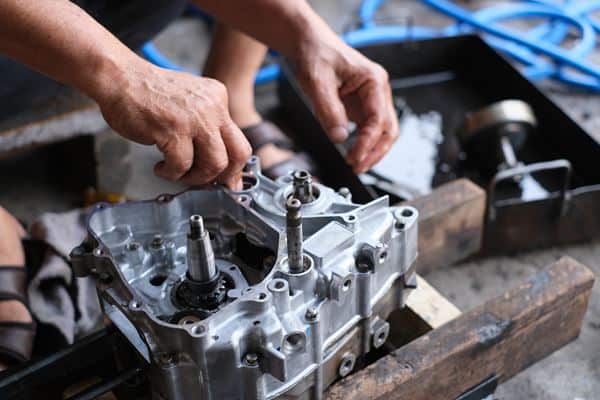

Incorrect diagnostics, neglecting cleanliness, inaccurate adjustment, insufficient lubrication, ignoring minor damages, rushing during assembly, and incorrect clearance setting—these are the common errors that can occur during the gearbox remanufacturing process. Queens ATS has developed a comprehensive approach to the remanufacturing of transmissions and engines, where quality control, part traceability, and specialist training form a single, interconnected system. This integrative method guarantees maximum reliability of remanufactured units and transparency of all processes for the client.
Closed-Loop Quality Control and Traceability
Initial Stage: Diagnostics and Documentation
The remanufacturing process begins with a comprehensive diagnostic assessment, the results of which are immediately entered into a digital accounting system. Each part receives a unique identification code that accompanies it throughout the entire remanufacturing journey. Technical specialists, certified in diagnostics, document all identified defects with photo evidence and create a preliminary work plan.
Disassembly and Component Evaluation
During unit disassembly, each part undergoes evaluation by experienced mechanics who measure the degree of wear using high-precision instruments. The condition and future fate of each component – reuse, remanufacturing, or replacement – are noted in the digital system. Our specialists, trained through a 200-hour theoretical preparation program, are capable of accurately determining a part’s suitability for further operation.
Part Remanufacturing and Quality Control
The remanufacturing process for parts is carried out by mechanics who have completed 300 hours of practical training under the guidance of master mentors. Each remanufactured part undergoes load testing, and the results are recorded in the traceability system. Simultaneously, new parts are checked for compliance with original specifications, with selective enhanced control of critically important components.
Integrated Approach to Assembly
At the assembly stage, the traceability system automatically verifies the specialist’s qualifications against those required for the specific type of work. The technician follows digital process maps, recording the completion of each step and the results of intermediate tests in a unified system. Quarterly training sessions (minimum 16 hours) ensure that our specialists’ knowledge of the latest technologies and unit models remains current.
Final Testing and Warranty Support
The final stage includes bench testing of assembled units under various loads. The data obtained becomes part of the digital passport of the remanufactured unit, which is accessible to the client. The “master-apprentice” mentorship system and regular exchange of experience among specialists allow for continuous improvement of testing processes.
Effectiveness of the Integrated System
Our approach, which combines quality control, part traceability, and specialist training, ensures:
- Complete transparency of all remanufacturing stages for the client.
- The ability to quickly identify and eliminate potential problems.
- Ensuring high accuracy and reliability of the system.
- Continuous improvement of processes based on accumulated data.
- Consistently high-quality remanufactured units.
- Improved quality of client services through innovative technologies.
- Reduction of idle time for the client’s vehicle through streamlined work processes.
- Enhancement of service life.
- An increase in the service life of remanufactured units by 30-40% compared to industry standards.
All remanufactured transmissions and engines come with an extended warranty, backed by a complete remanufacturing history in our integrated accounting and control system.