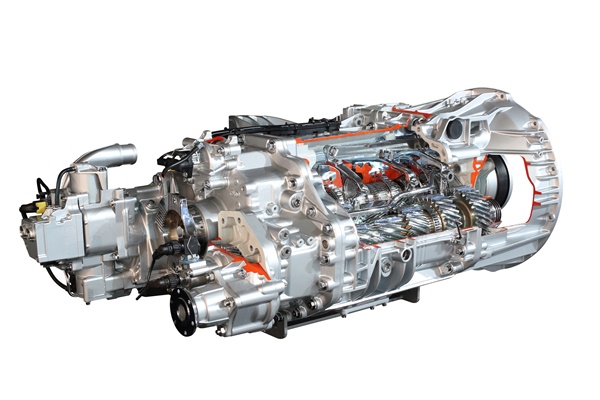

Among the most well-known carmakers using Continuously Variable Transmission (CVT) technology in their vehicles, Nissan stands out. Its CVT units appear throughout much of the lineup and tend to work quite well. That said, Nissan has also experienced significant CVT-related difficulties with many of its models.
Most Common CVT Issues in Nissan Vehicles
Premature Belt and Chain Wear
Nissan CVT transmissions are especially vulnerable to premature wear of the steel belt or chain that links the primary and secondary pulleys. This problem tends to show up in the 60,000 to 100,000-mile range, far too soon compared with other wear items in the vehicle. When it happens, you’re most likely to notice symptoms like slipping, and if you don’t take your car for service, there’s a good chance you’ll soon be experiencing a completely failed transmission.
Overheating Problems
Nissan’s CVT overheating issues are pretty notorious in automotive circles, and for good reason. The root of the problem is a borderline inadequate cooling system that just can’t keep up under stress. When the system fails to dissipate heat efficiently, the CVT fluid starts to degrade at an accelerated rate. Once that fluid loses its viscosity and protective qualities, you’re basically inviting rapid internal wear — think scorched clutches, worn bearings, and a whole mess of metallic debris floating around your transmission.
Valve Body Failures
Valve body failures are another big technical sore spot. The valve body manages hydraulic circuits and directs transmission fluid to various parts of the CVT, controlling everything from gear ratio changes to clutch engagement. If the valve body malfunctions — which it does with distressing frequency in Nissan’s design — you’ll see symptoms like delayed or jerky shifting, unpredictable loss of power, and sometimes the dreaded “check transmission” light.
Model-Specific Problem Areas
Nissan Altima 4th and 5th Generation Transmission Problems
The Nissan Altima 4th generation, introduced in 2007 and replaced by the Nissan Altima 5th generation in 2012, began receiving frequent complaints from its owners. Altima owners reported encountering a “bouquet” of troubles, from steering wheel lock failures to cases where their dashboards melted. But one of the biggest problems in these cars was a complete CVT failure. For example, in 2007, many people reported Nissan Altima CVT transmission failure at around 93,000 miles and found that dealer repair cost about $4,000. The problem persisted for the next five years, and many people also reported transmission failure in the 2012 Altima at around 106,000 miles with repair costs of about $3,000.
Nissan Pathfinder 3rd and 4th Generation Transmission Problems
Those who owned the 2005 Nissan Pathfinder had numerous widespread transmission problems, including transmission fluid leaks and operational failures. These problems began appearing at the 93,000-mile mark, and fixing them cost about $3,200. They also appeared in the 2006 and 2007 Pathfinders before Nissan seemingly pulled itself together and resolved some CVT-related issues. But they reappeared when the 4th generation 2014 Pathfinder was released. This model would later be involved in a class action lawsuit claiming that the Pathfinder sometimes shakes severely when traveling at speeds of about 19-25 mph. This was a problem that appeared in some owners of this 2014 model right after the 31,000-mile mark, and fixing it cost an average of $4,000.
As you can see, the issue may be a tricky one. If you need expert help, shops like QueensATS specialize in Nissan CVT diagnosis and repair. We’ve seen it all — from minor valve body glitches to total transmission meltdowns — and can help you maximize the lifespan of your CVT before it becomes a five-grand paperweight.